 Expanding vegan options
throughout society


© 2015 MPL Communications Ltd/
Photographer: MJ Kim






































VegeProject Japan works with businesses, local governments, national government agencies, educational institutions, and international organizations to create and expand vegan and plant-based options throughout society.
How We Support Vegan
Business and Public Initiatives

- Product and menu development support
- Vegan and vegetarian certification
- Business matching
- Communications and PR support
- Research collaboration
- Training and events
What We Can Do
with Individuals

- VegeProject University activities
- Planning and holding events
- Gathering and sharing information
Recent Achievements & Announcements
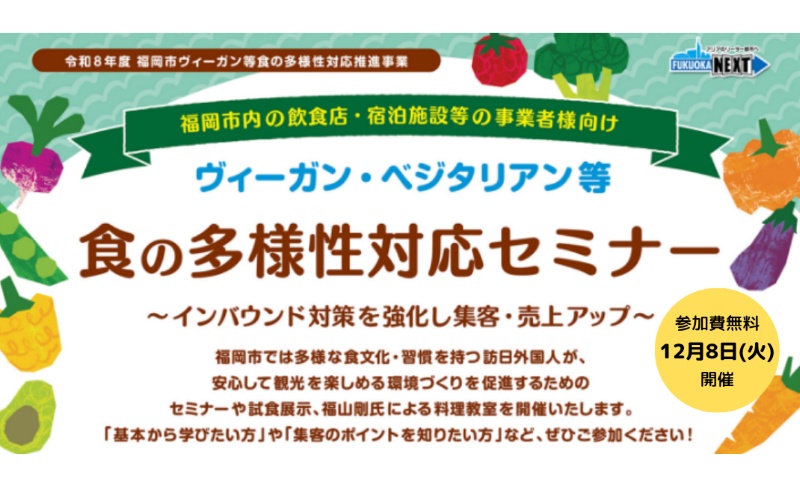
Fukuoka City Vegan Seminar, Tasting, Display, Menu Support

[Nov. 9] Kawano Speaks at Gifu Food Inclusivity Seminar

Vegan Catering Seminar in Kurayoshi City, Tottori & City’s Subsidy
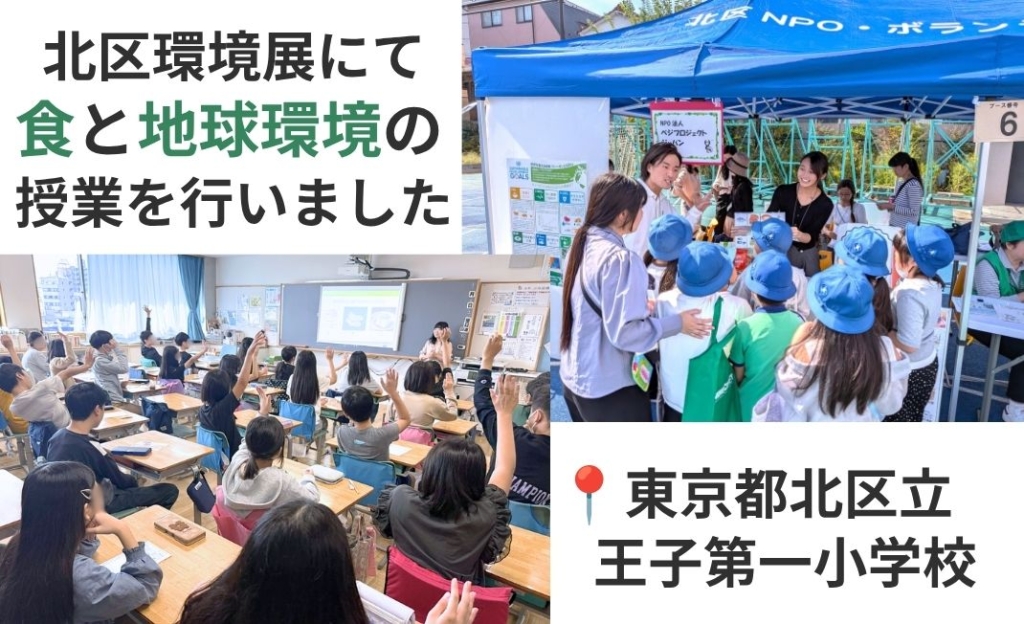
Vegan Class and Exhibition Booth at an Elementary School (Kita City Environment Fair)
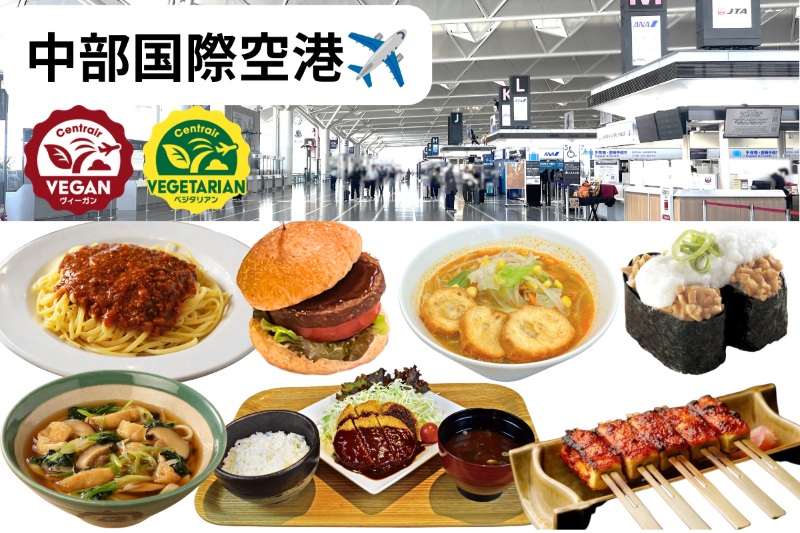
Joined Vegan Initiative as Experts at Chubu Int’l Airport

[Nov. 30] Vegan Market Conference & Networking Dinner

Introduced Vegan Food at a Local Festival in Kita City
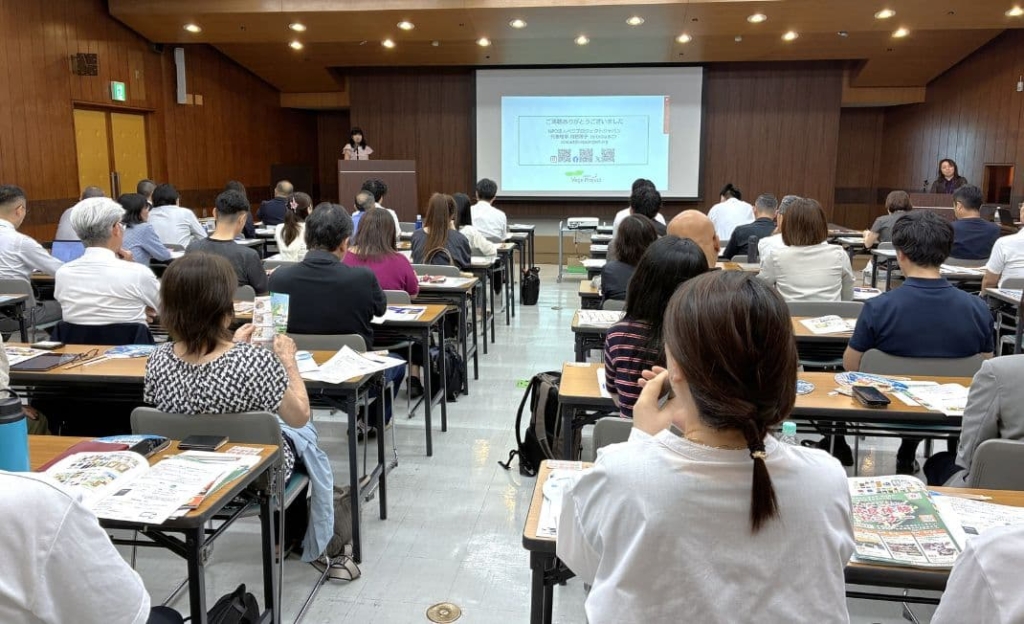
Lectured on Vegan Catering at Fukuoka Prefecture Seminar
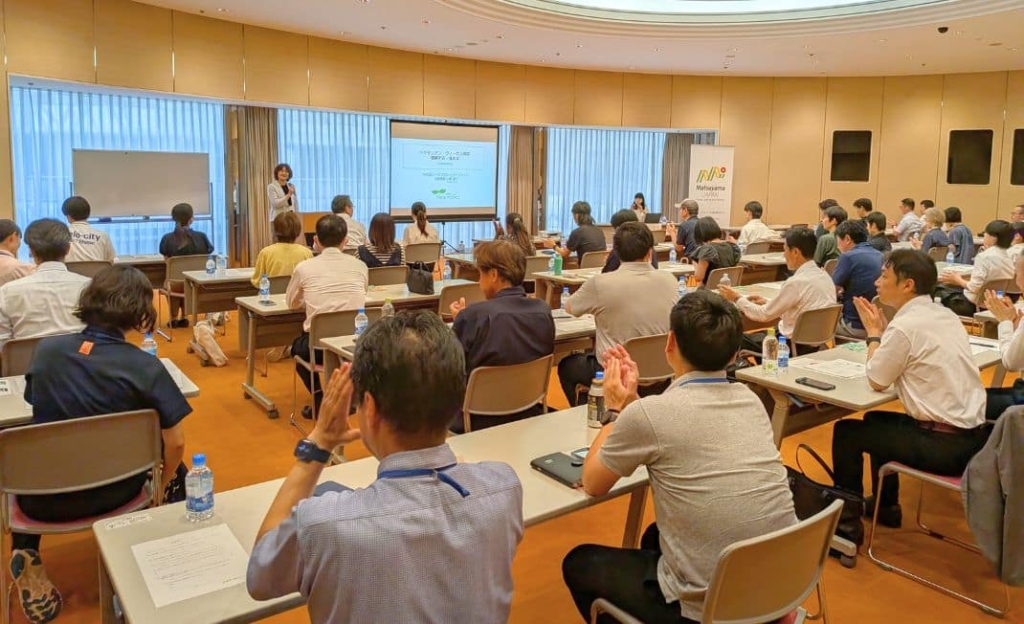
Seminar in Matsuyama & Research Support at Ehime University
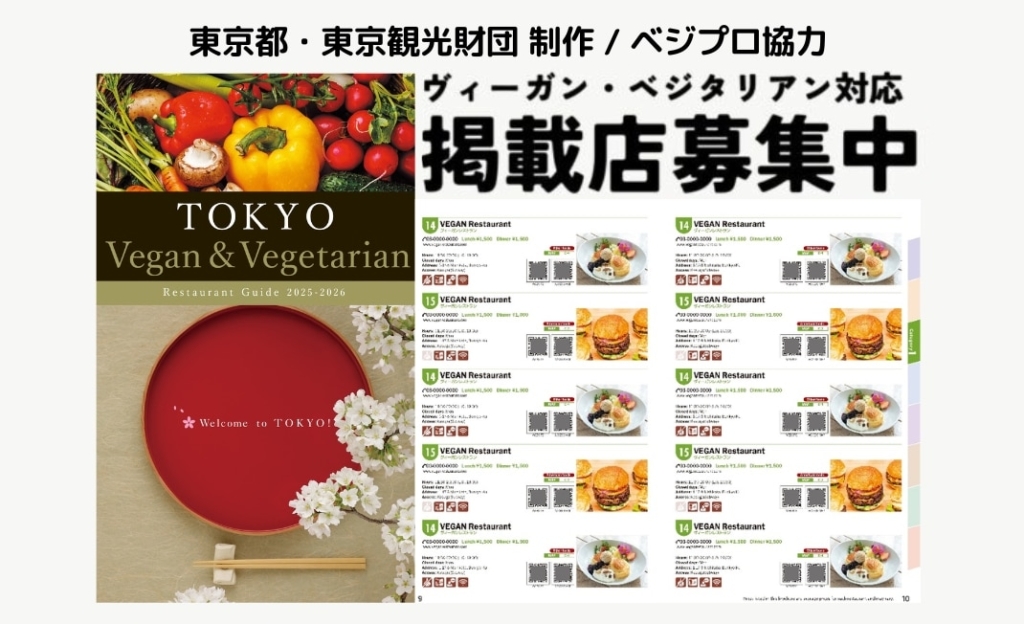
【Applications Closed】Dining Guide by Tokyo Government & TCVB
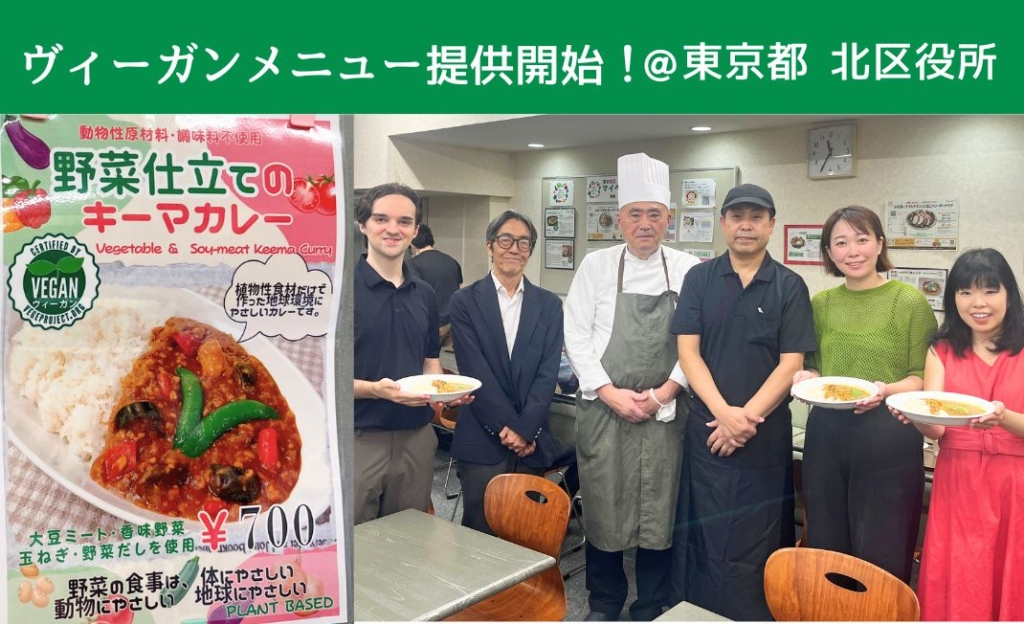
Tokyo Kita City Hall Launches Vegan-Certified Menu

Vegan Area and Cooking Demo at Kansai Major Food Exhibition
Why vegan and plant-based choices
are gaining global attention
-

The Environment
Producing animal-derived foods requires large amounts of land and feed. For beef, 2.1 million hectares of forest are cleared each year to raise cattle and grow their feed. The United Nations has also identified the livestock industry as a major cause of climate change.
Plant-based food is seen as a more sustainable option, and some countries have incorporated it into public policy. -

Animal Welfare and Animal Rights
Each year, around 83 billion land animals, including cattle, pigs, and chickens, are slaughtered for human consumption. Most are raised in factory farms, living without freedom and dying far earlier than their natural life span.
More people are also reconsidering their diets from the perspectives of animal welfare and animal rights. -

Food Security
Producing 1 kg of beef requires about 11 kg of grain for feed. It is estimated that using grain for people instead of animal feed could provide food for an additional 3.5 billion people.
As rapid population growth and food crises are projected, we need to use limited resources to produce food for people as well. -

Supporting Diverse Needs
Some people avoid or reduce animal products based on their beliefs, while others cannot eat certain animal-derived foods because of allergies, other physical conditions, or religious reasons. Vegan food, made without animal-derived ingredients, is an option that allows more people to enjoy meals together.
-

Human Health
A vegan diet, which excludes all animal-derived foods, is considered capable of providing adequate nutrition for people at every stage of life, from infancy through older adulthood.
Research has also found that vegan diets may reduce the risk of heart disease, high cholesterol, high blood pressure, diabetes, and cancer.
Sources:
• Ritchie 2021. Drivers of Deforestation: Global Analysis of Land-Use Change Factors. Review on Our World in Data.
• Food and Agriculture Organization 2025. Production: Crops and Livestock Products 1961-2023. Statistical Data Set, FAOSTAT.
• Ministry of Agriculture, Forestry and Fisheries. 2011. Food Security Manual for Emergencies. Nellemann et al. 2009. The Environmental Food Crisis: The Environment’s Role in Averting Future Food Crises. UNEP Rapid Response Assessments
• Melina, Craig & Levin 2016. Position of the Academy of Nutrition and Dietetics: Vegetarian Diets. Journal of the Academy of Nutrition and Dietetics 116(12): 1970–1980.
SNS
We share event announcements, activity updates, and information about vegan-certified products on social media.
Follow us to see our latest updates.



Newsletter
Get event information and
VegeProject news
Media Coverage























VegeProject supports
vegan, vegetarian and plant-based initiatives.